
How Outdoor Stone, Concrete, and Paved Spaces Stay Safe and Last Longer
Outdoor walkways, patios, and retaining walls add structure to a property. These surfaces face sun, rain, foot traffic, and ground movement every day. Without proper care, cracks form, growth appears, and surfaces become unsafe. Many property owners expect these areas to stay strong on their own. That mistake leads to higher repair costs later. Knowing how upkeep works helps you protect your investment. It also keeps outdoor spaces clean, stable, and ready for use year round.
Benefits With Consistent Surface Care
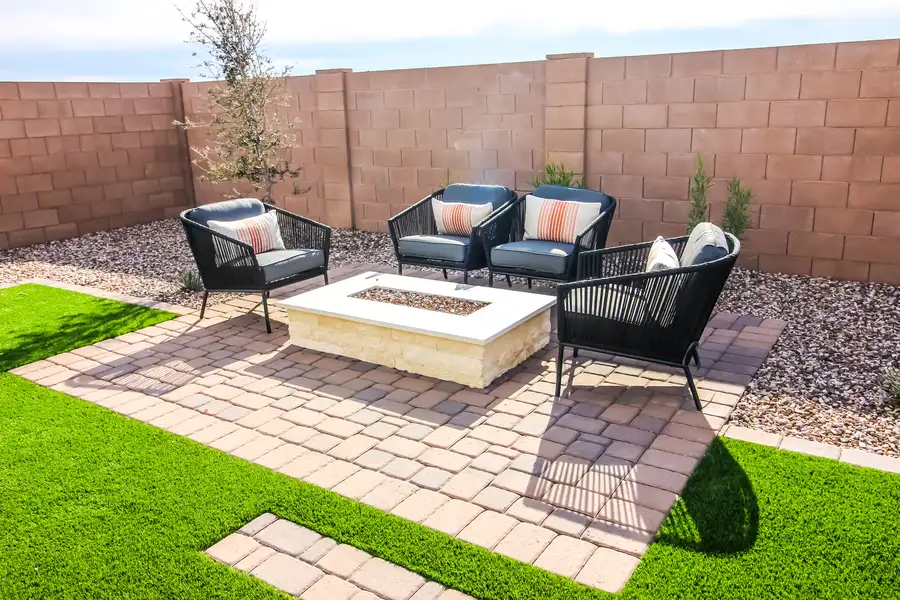
Regular care protects patios, paths, and seating areas from damage. Hardscaping features gain longer life through steady inspection and cleaning. Sealed surfaces resist stains and moisture better. Clean joints reduce weed growth and shifting. Proper care also improves traction during wet weather. These steps help avoid sudden repairs. Small efforts each season prevent big expenses later. Well kept surfaces also improve property value and daily use comfort.
Common Problems That Occur Over Time
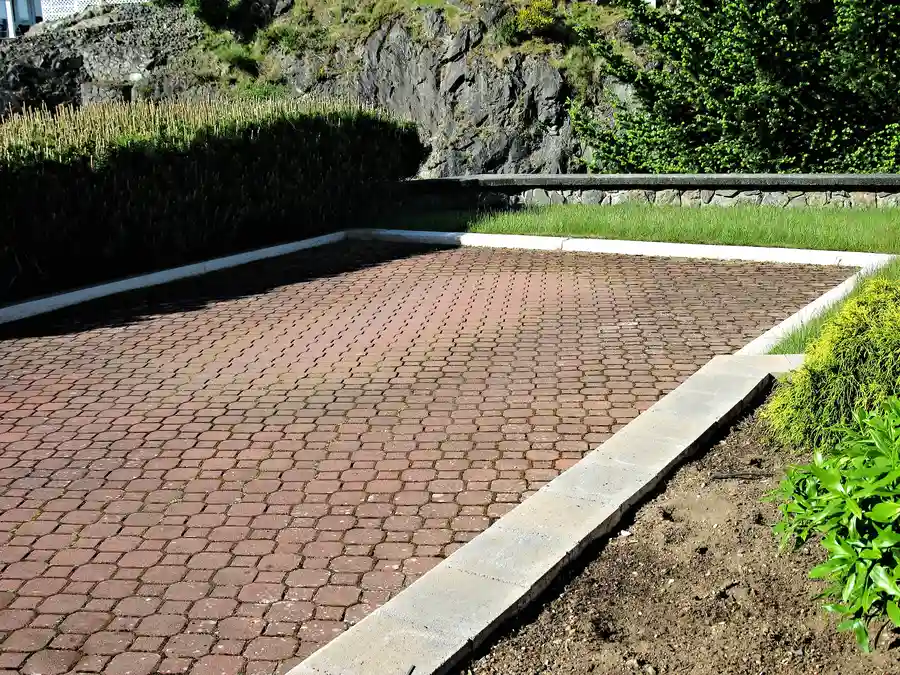
Many surface issues appear after months of exposure. Hardscaping zones often crack from ground movement or freeze cycles. Weeds grow between joints and push stones apart. Poor drainage causes pooling, which weakens foundations. Stains from leaves and spills set into porous materials. Without action, these issues spread fast and raise safety risks. Slippery growth also increases the chance of falls.
How to Address Issues Step by Step
Fixing problems early lowers costs and limits damage. Follow a basic process to keep surfaces in good shape.
- Inspect surfaces each season for cracks and loose pieces
- Clean with water and safe cleaners to remove buildup
- Clear joints and refill with fresh joint material
- Check drainage paths and remove blockages
- Seal surfaces as recommended by material type
Best Practices With Long Term Care
Experts suggest simple habits that protect outdoor structures. These practices reduce wear and keep surfaces stable.
- Clean debris before it stains or traps moisture
- Use sealers designed for stone or concrete
- Avoid harsh chemicals that break down surfaces
- Fix small cracks before they grow
- Schedule yearly inspections for high traffic areas
Industry Standards With Materials and Safety
Outdoor surface care follows clear standards. Many municipalities require stable walkways with proper drainage. Joint spacing and slope angles affect water flow. Sealers must meet safety rules for slip resistance. Contractors often follow manufacturer care guides. These guides list cleaning methods and resealing cycles. Following standards helps meet local rules and lowers liability risks.
Cost Factors With Maintenance Planning
Care costs vary based on size, material, and exposure. Stone needs different care than poured concrete. Sealing adds upfront cost but saves on repairs later. Ignoring care often leads to full replacement. Routine service usually costs far less than major fixes. Planning annual care helps spread costs and avoid surprise expenses.
Comparing Pro Care and DIY Efforts
Some tasks fit property owners, while others need trained help.
- DIY pros: lower cost, quick cleaning, simple inspections
- DIY cons: missed issues, improper products, short term results
- Professional pros: expert repairs, proper tools, lasting results
- Professional cons: higher cost, scheduled visits
Maintaining Stone and Paved Areas With Confidence
Outdoor surfaces last longer with planned care and expert support. Located in Bloomfield, NJ, we help property owners protect these structures year after year. S&C Landscaping and Design focuses on safe surfaces, clear drainage, and lasting results. Call (609) 676-1522 to schedule service or request guidance. We work as a team to keep outdoor spaces strong, clean, and dependable.