
How Ground Cover Choices Protect Soil and Support Healthier Landscapes
Landscape projects often succeed or fail based on soil care. Many property owners invest in plants but overlook surface protection. The right ground cover helps soil hold moisture, control weeds, and manage temperature. Different materials serve different needs. Some break down and feed soil. Others last longer and reduce upkeep. Understanding options helps you avoid common mistakes, save money, and support plant growth. This guide explains material types, benefits, limits, and best use cases. It also covers cost, standards, and simple steps you can apply right away.
Why Soil Cover Matters for Plant Health
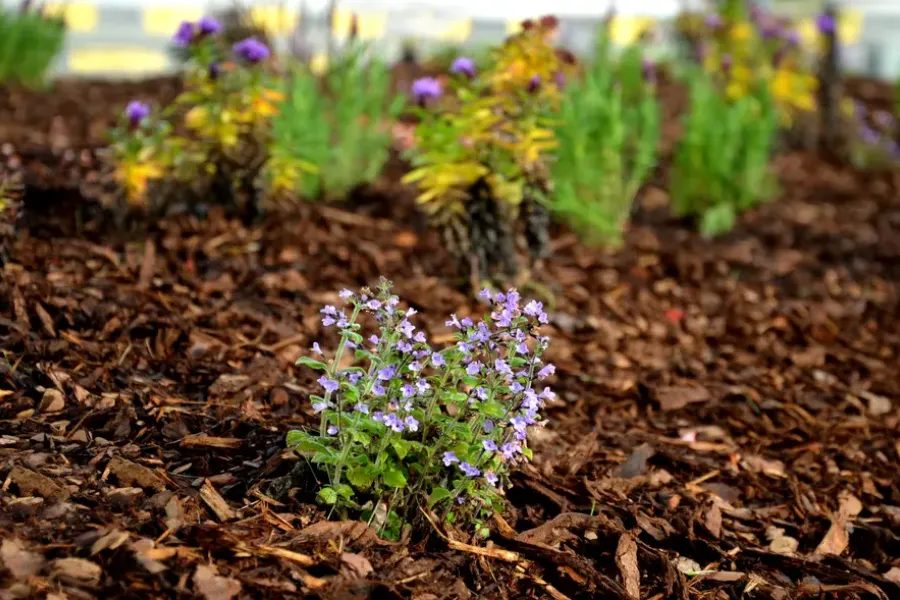
Proper soil coverage reduces water loss and shields roots from heat. Mulching plays a key role in keeping soil stable during hot or dry weather. It also lowers erosion during heavy rain. These benefits matter for gardens, trees, and commercial beds. Without coverage, soil dries fast and weeds spread. Over time, plants weaken and need more water. Cover choices act as a buffer between soil and harsh weather. This helps your landscape stay healthy with less effort.
Organic Options and Where They Work Best
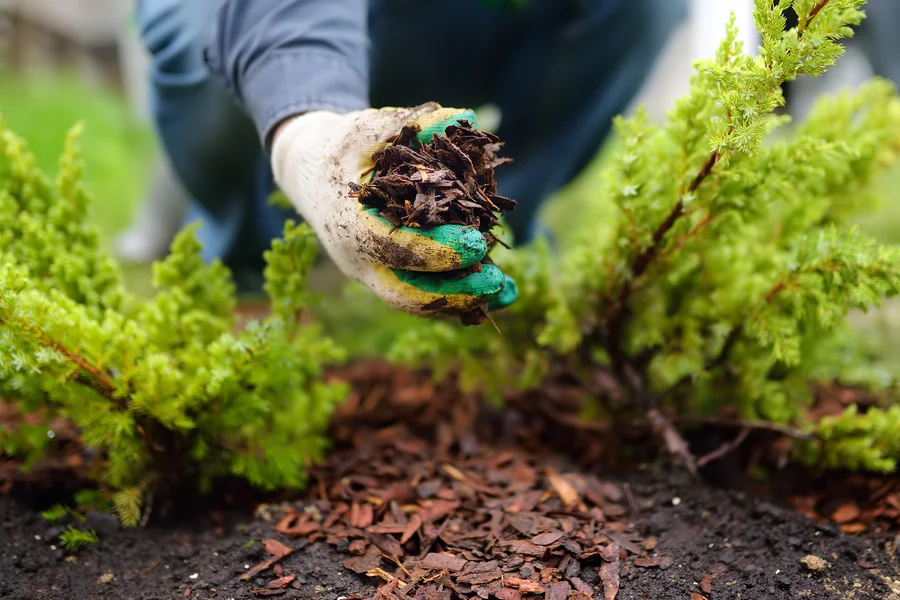
Organic materials come from plants or wood. Mulching with these options adds nutrients as they break down. Common choices include bark, wood chips, leaves, and compost. They improve soil structure over time. However, they need replacement once they decay. Organic choices work well around trees, flower beds, and vegetable gardens. They also improve microbial activity, which supports root growth.
Inorganic Choices for Long Term Coverage
Inorganic materials do not break down easily. Gravel, stone, rubber, and landscape fabric fall into this group. These options last longer and reduce annual replacement. They work well for pathways, drought areas, and modern designs. Heat retention can be higher, so plant placement matters. Drainage must also be considered. Inorganic coverage offers low upkeep but less soil improvement.
Comparing Organic and Inorganic Materials
Choosing between material types depends on goals, budget, and maintenance time. Each option has strengths and tradeoffs. Understanding these differences helps avoid waste and rework.
- Organic materials enrich soil but need refilling
- Inorganic materials last longer but add no nutrients
- Organic options cost less upfront
- Inorganic options reduce yearly labor
Common Problems Property Owners Face
Many issues come from poor selection or thin coverage. Weeds grow through gaps and soil dries quickly. Some people choose materials that trap heat. Others mix incompatible types. These mistakes raise costs and reduce plant life. Poor drainage is another concern. Water can pool and damage roots. Knowing these problems helps you prevent them early.
Step by Step Process for Proper Application
Installing ground cover follows a clear process. Skipping steps leads to failure. The goal is even spread and correct depth.
- Clear weeds and old debris
- Level and moisten the soil surface
- Add a base layer evenly
- Keep material away from plant stems
- Check depth and adjust as needed
Best Practices That Improve Results Over Time
Small choices make a big difference over seasons. Following proven advice protects your investment and reduces maintenance.
- Use the right depth for each material
- Refresh organic layers yearly
- Avoid piling against trunks
- Check moisture after installation
Standards, Safety, and Environmental Considerations With Care
Many areas follow landscape safety standards. Fire prone regions limit certain wood products. Public spaces often require certified materials. Some recycled products must meet health guidelines. Always check local rules before buying. Using approved sources avoids fines and protects people and pets. Environmental impact also matters. Sustainable sourcing supports long term land health.
Cost Factors and Long Term Value
Prices vary by material, delivery, and lifespan. Organic products cost less at first but repeat costs add up. Inorganic choices cost more upfront but last longer. Labor time also affects total cost. Proper selection balances budget and performance. Long term value comes from fewer replacements and healthier plants. Planning ahead saves money.
Next Steps for Smarter Landscape Decisions
Located in Bloomfield, NJ, we support property owners with clear material guidance and proper installation. S&C Landscaping and Design focuses on long term soil protection and plant health. Our crews help select options that fit climate and budget. Call (609) 676-1522 to discuss project needs and maintenance goals with experienced professionals.