
How Regular Cutting With Simple Habits Protects Healthy Grass
Regular grass cutting plays a direct role in weed control. When grass stays at the right height, it blocks light from weed seeds. Strong turf also takes water and nutrients first. This leaves fewer resources for invaders. Many weeds spread fast when lawns grow uneven. A steady mowing plan keeps growth balanced across the yard. It also supports deeper roots and denser blades. These basics help reduce bare spots where weeds thrive.
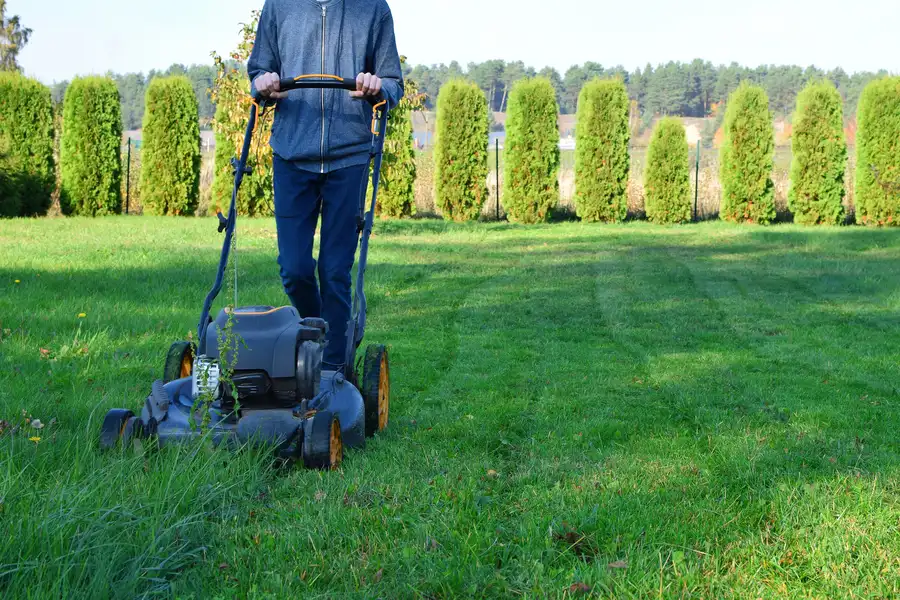
Benefits of Consistent Mowing With Healthy Turf Growth
Routine cutting brings clear benefits beyond a neat look. Shorter weeds struggle to flower and spread seeds. Grass grows thicker after proper cuts. This creates shade at soil level. Some homeowners choose a lawn mowing service to keep timing consistent. This approach helps avoid missed weeks during fast growth seasons. Over time, thick turf limits space for weeds to take hold.
Common Weed Problems Linked With Infrequent Cutting
Delayed mowing lets weeds gain height and strength. Tall weeds drop seeds before the next cut. Gaps form when grass bends under its own weight. Another lawn mowing service visit often reveals these issues late. Once weeds root deep, removal takes more effort. Broadleaf weeds also spread sideways when left unchecked.

How Proper Mowing Disrupts Weed Life Cycles
Weeds rely on height and flowers to reproduce. Cutting breaks this cycle. Most weeds need to bloom to spread seeds. Regular mowing removes buds before they mature. Grass recovers faster than weeds after a cut. This gives turf a steady edge. Timing matters most during spring and early summer.
Step by Step Mowing Process That Limits Weeds
- Set the mower blade to the right height for your grass type
- Never cut more than one third of the blade length
- Change mowing direction each week
- Keep blades sharp to avoid tearing grass
- Mow often during peak growth periods
Best Practices With Seasonal Adjustments
- Mow higher during hot months to protect roots
- Reduce height slightly in early spring
- Leave grass clippings to add soil nutrients
- Water deeply after cutting in dry weather
Industry Standards With Grass Height Guidelines
Most turf experts suggest specific cutting ranges. Cool season grass does best at three to four inches. Warm season grass prefers two to three inches. These heights block light at the soil surface. Many local guidelines support these ranges. Cutting lower than advised weakens turf and invites weeds.
Cost Factors With Weed Control Through Mowing
Proper mowing reduces future costs. Weed treatments add up over time. Dense turf lowers the need for chemicals. Equipment upkeep also matters. Sharp blades prevent repeated passes. Fewer passes save fuel and time. Many homeowners see value in steady lawn care routines.
Comparing Routine Mowing Versus Reactive Weed Control
- Routine mowing prevents weeds before spread
- Reactive control treats weeds after damage occurs
- Prevention costs less than repeated treatments
- Healthy turf improves curb appeal long term
Planning Support With Professional Lawn Care
Good schedules keep growth even all season. Weather shifts may change timing. Rain boosts weed growth fast. Dry weeks may slow turf recovery. Watching these patterns helps you adjust. Simple planning protects grass health and limits weed pressure.
Take the Next Step With Smart Lawn Care Choices
Based in Bloomfield, NJ, we help protect lawns from weed spread through steady care plans. Our team focuses on timing, height, and turf strength year round. Call (609) 676-1522 to discuss mowing schedules that match local growth. S&C Landscaping and Design supports long term grass health with practical solutions that keep weeds under control.