
Clear Guidance With Smart Choices for Outdoor Surfaces
Your yard is an extension of your home. The materials you choose affect daily use, safety, and long-term value. Walkways, patios, and retaining walls must handle weight, weather, and foot traffic. Poor choices can lead to cracks, stains, and costly repairs. Smart planning helps avoid these problems. By learning how different surfaces perform, you can build an outdoor space that lasts. This guide explains what to look for, what to avoid, and how to decide with confidence.
Understanding Material Purpose With Proper Planning
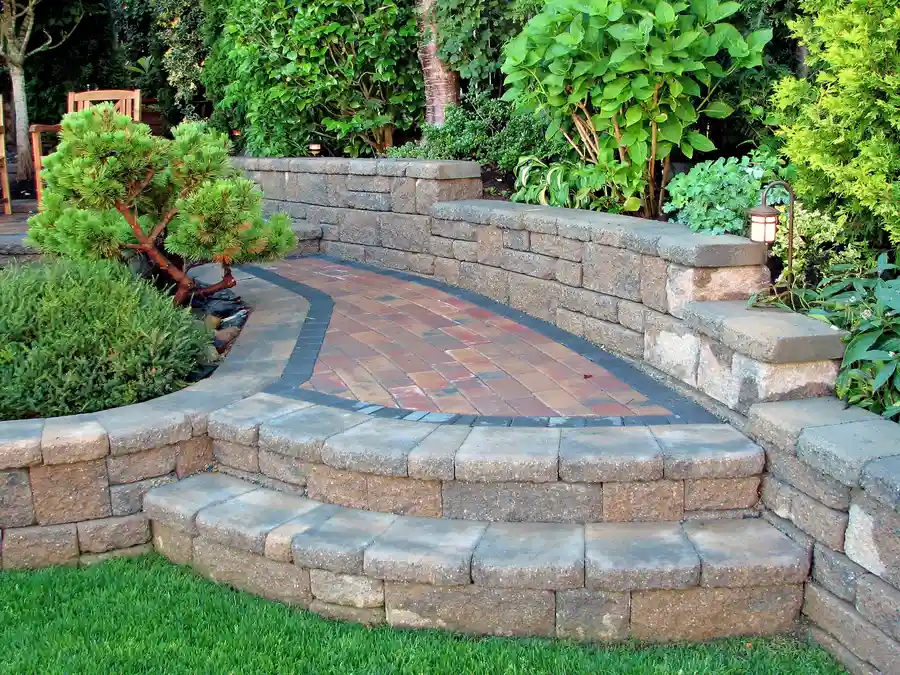
Each outdoor surface has a clear purpose. Some support heavy loads. Others shape the look of the yard. Hardscaping plays a key role in how spaces work together. Pavers handle foot traffic well. Poured concrete supports driveways and seating areas. Natural stone fits paths and garden edges. When purpose matches material strength, surfaces last longer and need fewer fixes.
Key Benefits You Gain With the Right Selection
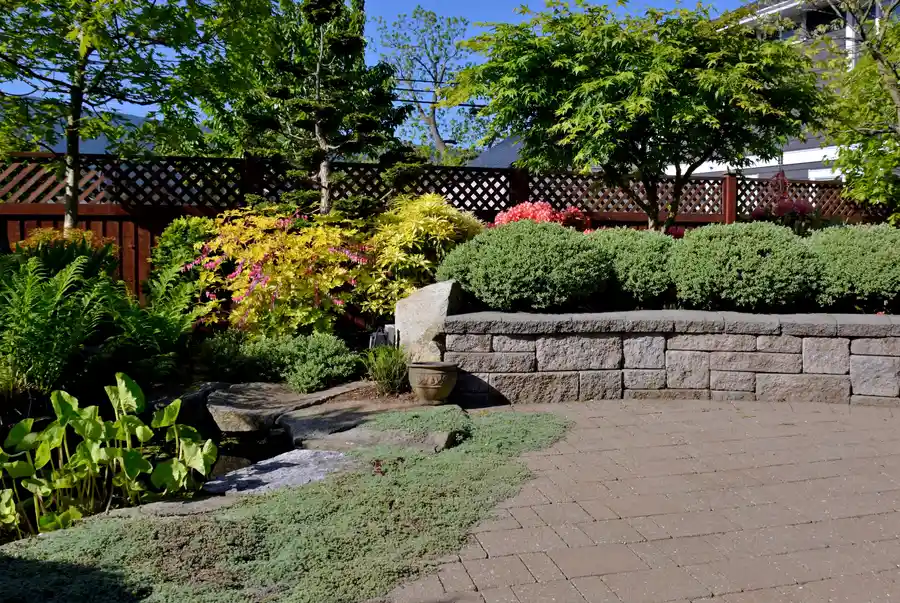
Choosing surfaces with care improves safety and value. Hardscaping choices affect drainage, grip, and upkeep needs. Strong materials reduce cracks and shifting. Textured finishes lower slip risks. Color choices limit heat buildup. Well-matched options also raise property appeal and resale interest.
- Improved durability under weather stress
- Better water flow and erosion control
- Lower maintenance over time
- Safer walking and seating areas
Common Problems Homeowners Face With Outdoor Materials
Many yards fail due to poor matching of product and use. Soft stone chips under weight. Smooth concrete gets slick when wet. Cheap pavers fade fast in sunlight. Drainage failures cause pooling water and sinking. These problems often start with rushed buying decisions and skipped prep work.
Fixing Issues With a Step by Step Approach
Most surface problems can be avoided with a simple process. Careful steps reduce risk before installation starts.
- Measure the space and note slope and soil type
- List how the area will be used each day
- Compare material ratings for strength and wear
- Confirm drainage and base needs before buying
Best Practices to Follow With Expert Insight
Professionals rely on proven habits. These reduce failure and extend lifespan.
- Choose materials rated for outdoor freeze and thaw cycles
- Use a compacted base to prevent shifting
- Allow proper spacing for joint movement
- Seal surfaces when the product allows it
Industry Requirements to Know With Local Codes
Outdoor projects must meet basic standards. Many cities require permits for walls and patios. Load ratings matter for steps and raised areas. Slip resistance matters near pools. Products should meet ASTM ratings, which measure strength and wear. Checking these rules early prevents fines and rework.
Comparing Popular Options With Pros and Cons
Different surfaces come with tradeoffs. A simple comparison helps narrow choices.
- Concrete: low cost, strong, but can crack over time
- Clay pavers: long life, easy repair, higher upfront cost
- Natural stone: unique look, strong, needs sealing
- Gravel: low price, easy install, requires frequent leveling
Budgeting Smartly With Long Term Value in Mind
Price should include more than material cost. Installation, base prep, and upkeep matter. Cheap options often cost more later. Durable surfaces reduce repairs and cleaning time. Spending more upfront often delivers better value over ten years or more.
Next Steps With Trusted Local Support
Located in Bloomfield, NJ, we help homeowners plan and build lasting outdoor spaces. S&C Landscaping and Design guides material selection based on use, soil, and budget. Our crews follow local codes and proven methods for strong results. Call (609) 676-1522 to discuss goals, timelines, and options that fit your yard.